





Why Mobile Play Fits Modern Casino Habits
People do not always have time for long desktop sessions. They open a game on the train, check their balance during lunch, or return later from the sofa. That is why the phone format matters so much: it has to stay readable, fast, and easy to control. In 2026, most players expect a mobile experience that feels natural from the first tap.
Imagine you have ten free minutes before work. You are not looking for extra steps or a crowded menu. Usually, players want to sign in, open the lobby, choose a familiar title, and start without friction. A strong mobile setup supports exactly that rhythm.
What matters just as much is continuity. A useful phone layout lets you pause, check the account area, and return without feeling lost. That sounds basic, but it often decides whether a platform feels practical or tiring.
What Players Usually Notice First On A Phone
The first thing users notice is space. On a smaller screen, every banner and button competes for attention. If the design feels crowded, simple tasks become annoying. Clear spacing, readable text, and a visible cashier area usually create the best first impression.
Picture someone opening the platform with one hand while waiting in line. They are scanning, not studying. If the main sections are easy to spot and the path forward is obvious, that quick glance becomes enough to begin.
Colosseum Casino Mobile For Quick Daily Sessions
The value of Colosseum Casino Mobile is not just portability. It is the way short sessions can still feel complete. A player may want to review current offers, continue a game from earlier, or check the cashier before heading out. On a well-organized phone layout, those steps do not require patience.
If you use gaming platforms in short pockets of time, predictability matters. Most players do not want to explore every section on mobile. They want the essential tools close together: a visible menu, easy account access, and a lobby that does not bury popular categories under too many layers.
Now imagine the opposite situation. You are already home, sitting comfortably, and want a longer session from the couch instead of a desk. The same mobile version has to support that too. It should handle browsing, comparing sections, and checking account settings without making the screen feel cramped.
This is why good mobile design is less about flashy extras and more about control. Can you see the next step immediately? Can you move from entertainment to account management and back without hunting through menus? As a rule, that is what keeps users engaged.
How A Small Screen Changes Player Decisions
Phones change behavior. On desktop, people compare more options and browse more widely. On mobile, choices often happen faster. Players usually pick what is visible first, what loads quickly, and what feels familiar after two or three taps.
Think about someone checking the platform during a train ride. Their connection may be stable, but attention is limited. In that setting, a clean layout does more than look good - it helps the player commit to an action, whether that means opening a title, making a deposit, or reviewing a limit.
Registration And Login Flow Without Extra Friction
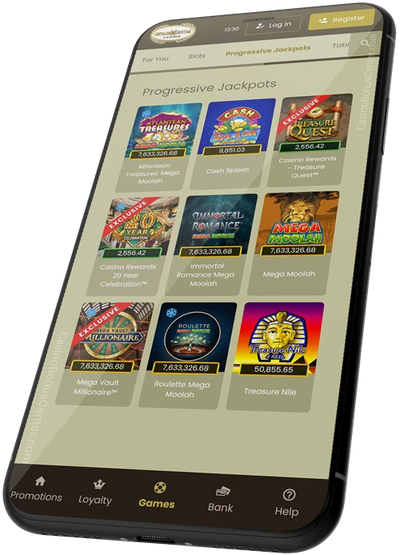
A mobile-friendly platform should make account entry feel straightforward. That starts with registration, where users expect a clear form, visible labels, and a simple way to continue. Nothing weakens trust faster than a sign-up page that asks for too much at once or forces awkward zooming.
If you are new, the process usually feels best when it moves in a clear order: basic details, confirmation, account review, then access to payments or games. Most people want to finish this on the first try. They do not want to correct hidden errors because a field was hard to read on a small screen.
Imagine opening the form while sitting in a cafe. You have a few quiet minutes, but not enough patience for a messy registration flow. When the platform highlights what is required, points out mistakes clearly, and lets you continue without re-entering everything, the process feels fair.
After sign-in, the account area should stay easy to read. Balance, recent actions, settings, and responsible play tools need to be visible without endless scrolling. That structure supports confidence, especially for players who prefer to manage everything from one device.
Using The Account Area Efficiently
Most users move between just a few zones: wallet, profile, offers, and support. That means the account area does not need complexity. It needs to reduce wasted motion. Clean tabs, short labels, and a simple history view do more than flashy design.
Suppose you want to check whether a payment is still pending, update a detail, and return to the lobby before your break ends. If those three tasks take less than a minute, the platform feels responsive. If every step opens another layer of menus, irritation builds quickly.
Choosing Games On The Move
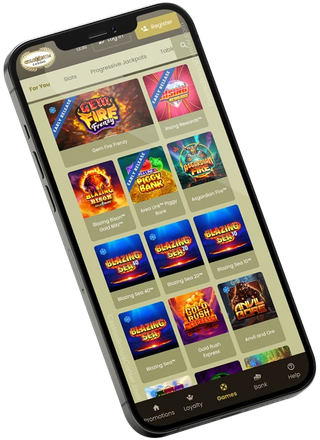
On a phone, game discovery works differently than on a desktop monitor. The platform has less room to persuade you, so categories, search, and filters matter more. Players usually want a fast path to familiar content, but they also want enough structure to explore without getting lost.
A useful lobby does not try to show everything at once. It separates new releases, table play, live sessions, and quick picks in a way that helps the user think clearly. That keeps the experience calm, which matters more on mobile than many people expect.
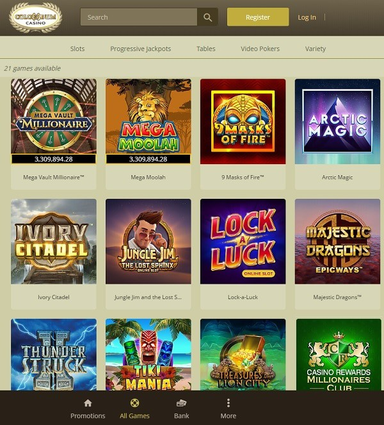
Picture a player opening the lobby after dinner and wanting something specific but not remembering the exact title. Search helps here, but so do sensible categories and clear thumbnails. If the platform supports both browsing and targeted choice, it works for more than one type of user.
Player Need | Typical Mobile Action | Why It Matters |
|---|---|---|
Quick entertainment | Open recent or featured titles | Saves time during short sessions |
Focused search | Use categories or filters | Reduces endless scrolling |
Account control | Check balance before opening a game | Helps plan session pace |
Quiet play at home | Browse several sections slowly | Supports longer, calmer use |
Fast help | Open support from the menu | Solves interruptions quickly |
What Makes A Lobby Feel Easy Rather Than Busy
Ease comes from hierarchy. The platform has to show what is primary, what is secondary, and what can wait. When every banner tries to lead, nothing leads well. On a phone, restraint is often more useful than energy.
Imagine you open the platform late at night with little patience. You do not want dense promotional text or five competing sliders. You want to see what is available, choose a direction, and move on. Simple structure helps that happen.
Banking Tools And Session Control On Mobile
Payment management is one of the areas where mobile design either works or fails. Players need to know where the cashier is, how to review pending actions, and how to set boundaries before a session begins. If those tools are hard to locate, confidence drops even when the entertainment side looks polished.
On a good phone setup, the wallet area feels close to the main menu and easy to revisit. Users can review methods, confirm status updates, and move between deposit and cashout pages without losing context. That sounds small, but it reduces mistakes and second-guessing.
Consider a player who wants to add funds, play for a while, and later request a withdrawal before bed. They are not looking for surprises. They want clear prompts, sensible confirmation steps, and an easy path back to the account area if something needs review.
Session control matters just as much as payment flow. Responsible play settings, temporary breaks, and personal limits should be visible and understandable. In Canada, adult players often appreciate that structure because it helps keep entertainment within boundaries they choose themselves.
Practical Checks Before You Start A Session
Before playing on a phone, it helps to run a quick routine. Check your connection, confirm your balance, review your personal limit settings, and make sure notifications will not constantly pull you away. These are small steps, but they improve the whole session.
Imagine starting a game while moving between places and then realizing your battery is low and your balance is unclear. That creates preventable stress. Usually, a one-minute review at the start avoids that problem.
Colosseum Casino App Expectations On Different Devices
When players talk about an app-style experience, they are usually talking about reliability. They want the mobile product to open quickly, hold its place, and respond well whether they use a newer phone or an older one. Smoothness matters, but consistency matters more.
Different devices create different expectations. Someone using a newer smartphone may expect sharper transitions and faster loading between sections. Another user with limited storage may simply want a light, stable experience that does not feel demanding. A smart mobile product should respect both cases.
Imagine two players in the same home. One opens the platform for quick five-minute sessions during the day. The other uses it in the evening for longer play with more browsing. The best mobile setup serves both patterns without forcing one style of use.
Browser Play Versus Dedicated Mobile Experience
Some users are comfortable opening the platform straight from a browser. Others prefer a more dedicated format because it feels faster to revisit. Neither choice is automatically better; it depends on habits, storage, and how often the player returns.
Picture someone who plays only occasionally. For them, a browser session may feel perfectly practical - open, sign in, play, leave. But a frequent user may prefer a setup that keeps everything one tap away and feels more routine.
The key point is usability. Whichever route a player chooses, it should feel secure, readable, and easy to manage. Mobile convenience is not about labels; it is about how few obstacles stand between intention and action.
Support, Responsible Play, And Long-Term Comfort
Support often matters even more on mobile because interruptions happen more often there. A weak signal, a closed tab, or a payment question can break the flow quickly. That is why players need visible help options and straightforward answers, not a maze of hidden menus.
A good support route usually feels close to the account area. People want to clarify an issue, solve it, and continue with their session. If the help path is buried, even a minor question starts to feel bigger than it is.
Imagine you are ending a session and notice something in the account area that you do not fully understand. Maybe it is a pending action or a setting you forgot you changed. Quick access to support and to personal control tools keeps that moment calm instead of frustrating.
Long-term comfort also depends on responsible play features. Timeouts, self-exclusion options, deposit limits, and reality checks should not feel hidden or dramatic. They should feel normal. That is usually the clearest sign that player control is built into the product.